

Китай випробовує глибоководну систему розрізання кабелів і трубопроводів на глибині до 3500 метрів
23.04.2026
261
Випробування проводилися на дослідницькому судні Haiyang Dizhi 2 в рамках його першої глибоководної експедиції цього року. Інженери протестували компактний електрогідростатичний привід (ЕГСП), призначений для точного різання підводних конструкцій, зокрема підводних кабелів і трубопроводів.
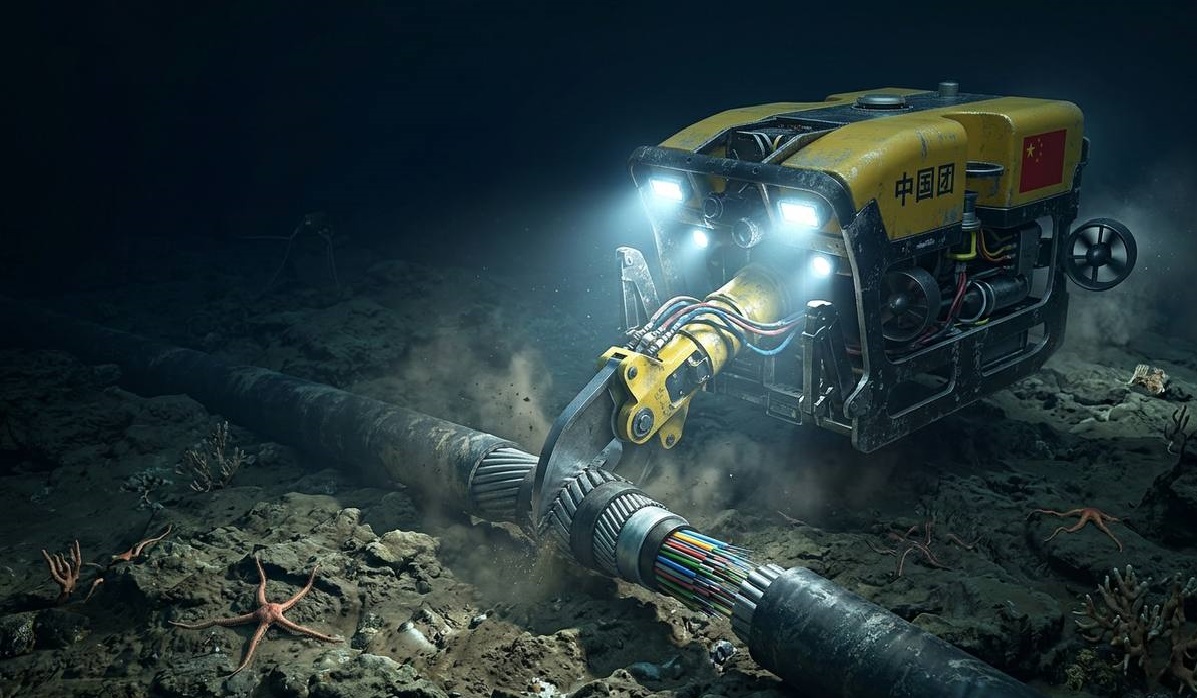
Під час експедиції інженери використовували привід для виконання операцій з різання в підводних умовах під високим тиском.
Електрогідростатичний привід поєднує електродвигун, гідравлічну систему та блок керування в один компактний пристрій. Така конструкція дозволяє обійтися без зовнішніх маслопроводів, які зазвичай використовуються в традиційних гідравлічних системах.
Інженери, які брали участь у проекті, заявили, що відмова від зовнішніх трубопроводів підвищує надійність системи, знижує втрати енергії та ризик витоків у глибоководних умовах.
Привід також оснащений системою компенсації тиску та захистом від корозії, що дозволяє йому ефективно працювати в екстремальних підводних умовах.
Система розрахована на тиск понад 35 мегапаскалів на глибині. Вона може розвивати зусилля понад 50 кілоньютонів, зберігаючи при цьому точність керування під час різання.
Привід також забезпечує потужність не менше 1 кіловата, що дозволяє виконувати складні підводні завдання, такі як різання товстих кабелів і ділянок трубопроводів.
Компактна конструкція об'єднує кілька гідравлічних компонентів, включаючи насоси, клапани та циліндри, в єдиний блок, підвищуючи ефективність роботи в обмеженому просторі під водою.
Очікується, що нова система різання буде використовуватися під час морських нафтогазових операцій, зокрема під час ремонту, відновлення та виведення з експлуатації трубопроводів. Швидше та точніше різання може скоротити час простою під час підводних робіт.
За словами інженерів, обладнання можна використовувати для подолання підводних перешкод та виконання інших завдань, наприклад для роботи з інструментами на морському дні.
Джерело: subseacables
Поділитися:


