

Встановлено першу в світі платформу для отримання теплової енергії з океану
04.05.2026
244
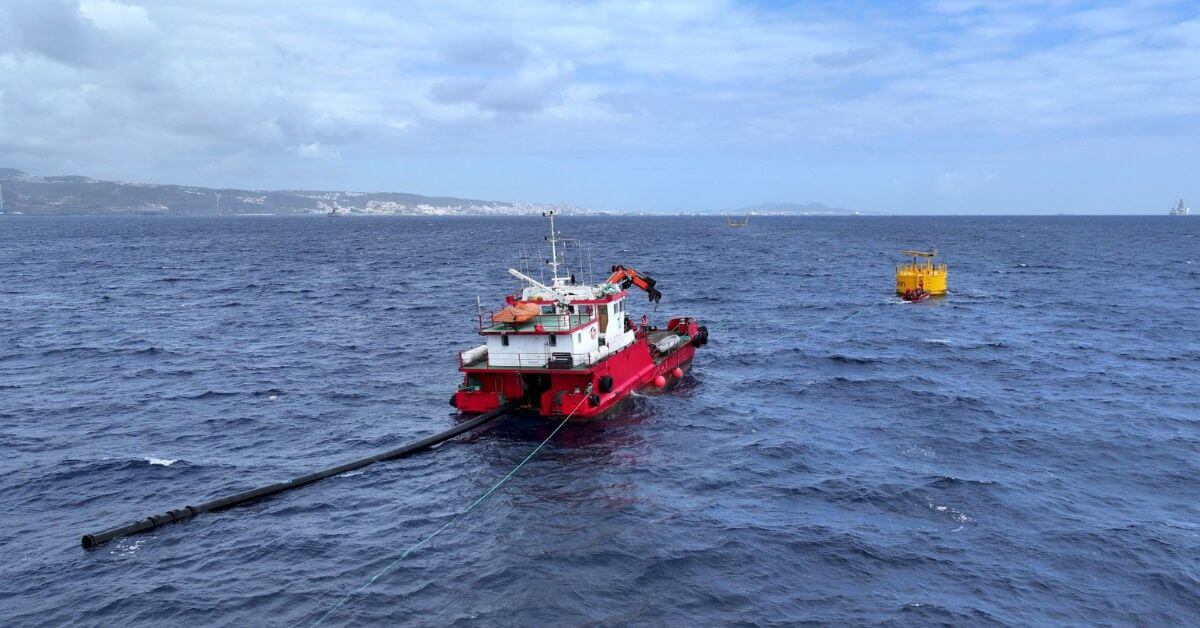
Британська компанія Global OTEC, що спеціалізується на екологічно чистій енергетиці, встановила першу в світі спеціалізовану морську платформу, призначену для вироблення електроенергії за рахунок різниці температур в океанській воді.
Компанія повідомила, що плавучий прототип був випробуваний на океанічній платформі Канарських островів (PLOCAN) — полігоні для морських випробувань біля узбережжя Іспанії
Це перший випадок встановлення подібної системи у відкритому морі для тестування безперервного виробництва електроенергії з теплової енергії океану.
Ключовим етапом установки стало розміщення вертикального водозабірного стояка для морської води. Ця конструкція використовується для забору холодної води з великої глибини під поверхнею моря і вважається одним із найскладніших елементів при будівництві морської системи перетворення теплової енергії океану (Ocean Thermal Energy Conversion, OTEC).
Плавуча установка дозволяє інженерам перевірити, як система працює в реальних умовах океану, зокрема як вона поводиться з точки зору конструкції та як взаємодіє з морським середовищем.
Технологія OTEC базується на використанні різниці температур між теплою поверхневою та холодною глибинною водою.
Тепла вода нагріває робочу рідину з низькою температурою кипіння, перетворюючи її на пару, яка обертає турбіну, що виробляє електроенергію.
Холодна вода, що забирається з глибини до 1000 метрів, охолоджує пару, перетворюючи її назад у рідину, і цикл повторюється.
Багато острівних регіонів, як і раніше, залежать від імпорту дизельного палива та мазуту для виробництва електроенергії. Це робить енергетику вразливою до коливань цін на паливо та призводить до високих тарифів на електроенергію.
У Global OTEC заявили, що їхня система може стати альтернативним варіантом, оскільки вона виробляє електроенергію безперервно, на відміну від відновлюваних джерел енергії, що залежать від погодних умов.
Джерело: interestingengineering
Поділитися:


