
Why are modern terminals replacing outdated software with AI?
27.08.2026
971
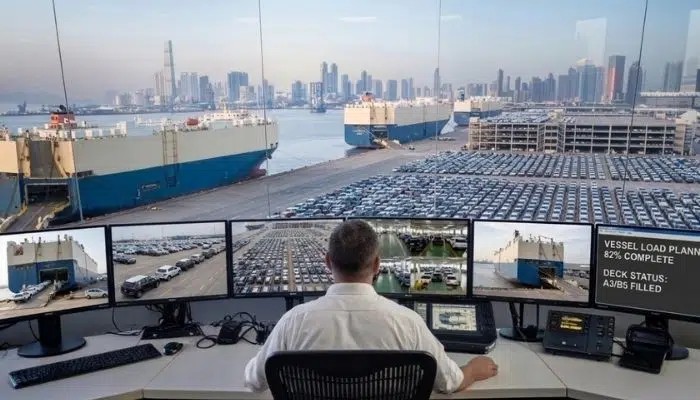
Fog covers the port channel. A container ship with a capacity of 14,000 TEU is 90 minutes late arriving at the berth. For a terminal operating on a traditional Terminal Operating System (TOS), even such a minor schedule change can disrupt the entire chain of operations.
Manual processes take time, equipment initially sits idle, and then multiple operations need to be handled simultaneously. Truck queues form at the gates, while dispatchers have to recalculate plans manually and work with spreadsheets. As a result, a 90-minute delay leads to additional costs from idle time, fuel consumption, and disruptions to logistics.
For a long time, this was considered a normal part of port operations. However, the growing size of vessels and the increasing volume of global trade have exposed the limitations of outdated TOS platforms. Such systems primarily record what has already happened, whereas modern solutions can predict how the situation is likely to develop.
AI Is Transforming Terminal Management
A new direction is TOS platforms powered by agentic artificial intelligence. They continuously analyze real-time data, predict changes, and help automatically adjust operations.
In a traditional TOS, data entry, berth planning, equipment allocation, and information analysis are largely performed manually. AI-based systems use data on vessel movements and terminal operations to recalculate schedules, optimize container placement, and allocate resources automatically.
Maritime technology company Infyz applies this approach in its cloud-based iTOMS platform. Specialized AI agents help manage berths, container yards, and transportation flows.
According to the company, the system can reduce vessel idle time by 10–15%, increase the effective capacity of container yards by up to 25%, and boost gate throughput by up to 40%. Automation also reduces data-entry errors.
There is also an environmental benefit: reducing vessel turnaround times at berths and truck queues lowers emissions, while optimizing the operation of cranes and terminal tractors reduces unnecessary equipment movements and energy consumption.
The modular architecture of iTOMS allows terminals to deploy the entire platform or individual solutions—for example, a truck appointment booking system or OCR document recognition—alongside their existing TOS.
The transition to AI transforms a terminal operating system from a tool for recording operations into an active participant in the process—one capable of analyzing situations, predicting changes, and rapidly adjusting port operations.
Sourse: marineinsight.com
1
Share:


