

Why is an Interview Scary? We Tell you how to Deal With Basic Fears
18.06.2024
19472
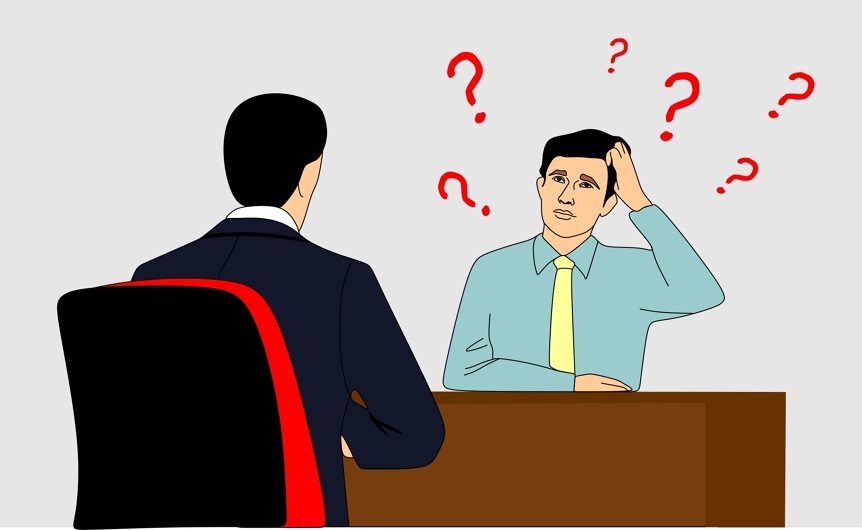
An interview is a necessary procedure, part of the business process and a source of stress for many people, especially if it is conducted in a foreign language.
You can often hear: "I was nervous and talked a lot of nonsense", "I forgot some simple words because of anxiety", etc.
Let us figure out why a standard interview can literally cut the ground from under your feet and what you can do about it.
First, it is normal to feel nervous during an interview. After all, getting a job is at stake, with all that it entails (money, experience, status, etc.).
Secondly, everyone wants to appear in the most favorable light, to show their professional qualities, present themselves well (for the sake of the "first").
People are different. There are those who do not feel much anxiety in this situation, while others may become extremely nervous. Important! This does not directly depend on your experience and professional skills. There are many external factors involved here.
Why is it scary to talk?
In the most general sense, it is the fear of rejection because of the possibility of making a mistake. The "making a mistake" includes imperfect communication skills (for example: insufficient knowledge of a foreign language), ignorance of the professional nuances of a particular position, lack of practical experience in the proposed vacancy, or just inability to present oneself or talk about oneself.
What if they reject?
It is difficult to accept refusals, because we often perceive refusal as "there is something wrong with me". The most difficult thing is to separate refusal from evaluating oneself through it. Imagine that 10-20 people are being interviewed for one vacancy. Certainly, there is a chance that you will be rejected. These can be both formal signs (you will not have sufficient skills) and informal ones - an HR manager, given two equals, will most likely choose a candidate with whom a dialogue will develop faster and easier.
Those who interview you are people too,
it happens with people that contact is established with someone from the first seconds, but with others, it does not happen at all for some unknown reason. This human factor also has a positive aspect. Your charm, sense of humor, composure, self-confidence and goodwill can more than fill minor gaps in knowledge.
To feel relaxed during an interview, take the importance off a person interviewing you. He or she is not the Lord God, but a worker as you are. Feel at ease and on an equal footing.
Ask questions
After all, not only you need a job, but the company also needs an employee. Make it clear what exactly the employer expects from you, what rights, responsibilities, and conditions await you in this position. Being able to ask questions gives you confidence. It is also a way to tell more about yourself.
This is not the last offer in the world!
If you are rejected, do not label yourself as a failure. This may be the best thing that ever happened to you and your job is waiting for you elsewhere.
What is important not to miss when preparing for an interview:
- In a relaxed atmosphere, walk yourself or someone through approximate answers to typical questions.
From the simplest:
- Tell about yourself and your experience, about your strengths and weaknesses, about the reasons for leaving your previous jobs.
Up to standard:
- Types of ships, names of ports, categories of cargo.
- Questions as to your knowledge of professional terms and documents. Responsibilities on board. Experience in emergency drills, etc.
- It is scary for the first 5-7 minutes. Then you will get comfortable, which means that for these 5-7 minutes you can prepare a brief self-presentation. Who you are, where you worked, what experience you have, your readiness to collaborate with them, and so on. This helps, first, to start speaking, and secondly, during this time you will be able to understand your interviewer, so to say, to assess the one with whom you are about to have an interview.
- If there is a lot of anxiety, you can also say about this: Sorry, I am a little bit nervous about this interview. Strange as it may seem, if you speak about your anxiety, this slightly lowers it.
- If you are very nervous before an interview and your body is stiff or shaking, try a simple technique. Shake it naturally: shake your hands, elbows, and shoulders vigorously.
- Keep a glass of water nearby in case your throat gets dry from anxiety.
- The key is, to allow yourself to make mistakes and not be perfect. After all, this means being alive!

Author of the article: psychologist Natalia Telipko
https://www.instagram.com/natalia_telipko
--------------------------------------------
2
Share:
Other documents:
How to Protect Yourself While Looking for a Job
Scammers never sleep. Be careful!
For Cadets. Preparing for a Job Interview in English.


